Casualty insurance coverage is a type of insurance coverage that covers you if you're legally accountable for another person's injuries or home damage, such as from a car accident or an accident in your house. Below, we take an extensive appearance at what casualty insurance is, how it works, who submits the claim, and whether it deserves getting or increasing your protection. Casualty insurance coverage protects you when you're liable for somebody getting hurt or their personal belongings getting damaged. The scenarios in which you're covered depend on the specifics of your policy. For example, a vehicle insurance policy may pay to repair a next-door neighbor's fence after you drove into it.
Casualty insurance doesn't cover your own injuries or home damage, or those of other individuals https://simonzbdo929.edublogs.org/2021/05/12/what-does-renters-insurance-cover-fundamentals-explained/ noted in your policy. If you own a company, business casualty insurance coverage can protect you when a customer is injured by among your services or products. Casualty insurance is usually bundled into your insurance plan, so you pay for it when your insurance coverage costs is due. Your policy and quotes may specify how much you spend for each coverage, making it simpler to change limitations to fit your budget plan and needs. When looking at your policy, you'll typically find casualty insurance coverage under coverages for others when you're at fault.
There are many scenarios where your casualty insurance would start to cover costs. For instance, house insurance may pay for expenses and legal charges associated with:: A guest journeys on their feet while in your house and breaks a wrist.: Your pet breaks free during your morning walk and bites another dog.: A windy day causes a branch from a tree on your home to break and put a hole in the next-door neighbor's roofing. Auto casualty insurance coverage can enter play in a variety of scenarios, such as when somebody in another car is harmed in a mishap you caused or if you unintentionally struck a neighbor's mail box while making a U-turn.
In general, the other celebration files the claim with your insurance coverage if Have a peek here you're at fault for the damage or injury. What is umbrella insurance. House and auto liability claims do not normally have a deductible, so your insurance covers all expenses for approved claims up to your limits. If you're the one who was injured or had property damage, you'll more than likely work with the other individual's claim representative or insurance adjuster. Their insurance company may pay your claim straight to you or another entity, such as a crash service center. Automobile insurance companies utilize cops reports, images, details gathered from you and the policyholder, and more to identify who is at fault and whether a liability payment is due.
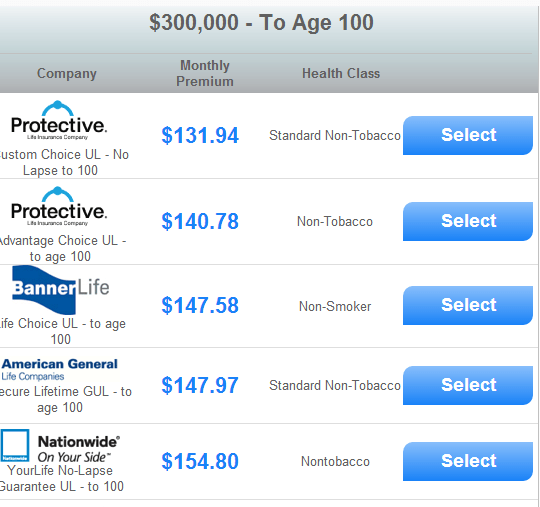
If the problem is with a property owner and they have no-fault medical coverage, you might be able to send expenses straight to their insurance provider without needing to file a claim initially. How much life insurance do i need. After an automobile mishap, it's vital to call your insurer, regardless of who was at fault. Your insurance provider can then deal with your behalf to help you file a liability claim with the other insurer. Liability limits are the maximum an insurance company will pay for a claim. Requirement house owners policies usually offer $300,000 of personal liability for residential or commercial property damages and injuries and $1,000 to $5,000 for medical payments to others.
If not, consider raising your protection to the highest level you can reasonably manage. It is very important to understand the difference between liability coverage and medical payments to others. Liability looks after medical expenses if you're deemed liable for somebody else's injury. Medical payments is a more restricted type of coverage that pays no matter fault (and just to guests you invite on your residential or commercial property, when it comes to a house owners policy). Car insurance minimum liability limits are set by each state, though these click here quantities may not be adequate to cover expenses in a serious mishap. Like with property owners insurance, consider acquiring as much liability coverage as you can manage.
Costs depend on elements like your existing liability protection and your danger profile. In basic, a $1 million umbrella policy costs $150 to $300 per year - How to become an insurance agent. Typically, the only casualty insurance you're legally needed to bring is bodily injury liability and home damage liability under your automobile insurance policy. Numerous states likewise require accident protection, and quantities vary by state. There are no state-mandated liability requirements for home insurance coverage, but standard home insurance plan typically come with some protection and your mortgage lender will have its own requirements. Regardless of whether the law requires it, having sufficient casualty insurance financially shields you from paying of pocket to cover expensive legal costs, claims, others' medical expenditures, and lost incomes.
How To Get Medical Insurance - Truths
Casualty insurance pays for another person's injuries and home damage when you're found legally accountable. Insurance companies only pay up to your liability limits, so you're responsible for expenses beyond those quantities. Umbrella insurance can help select up the tab for excess amounts. It's bought as a separate policy. You're only required to carry your state's minimum liability limitations on your vehicle policy, however consider getting as much house and car casualty insurance as you can fairly afford for higher financial defense.
Casualty insurance is a problematically defined term which broadly includes insurance coverage not straight interested in life insurance, health insurance coverage, or home insurance. Casualty insurance coverage is primarily liability protection of an individual or company for irresponsible acts or omissions. However, the term has also been utilized for home insurance, [] aviation insurance coverage, boiler and machinery insurance coverage, and glass [] and criminal offense insurance coverage. It may include marine insurance coverage for shipwrecks or losses at sea, fidelity and surety insurance coverage, earthquake insurance, political danger insurance coverage, terrorism insurance coverage, fidelity and surety bonds. Among the most typical type of casualty insurance coverage today is car insurance coverage. In its the majority of fundamental kind, automobile insurance offers liability protection on the occasion that a motorist is found "at fault" in a mishap.
If coverage were reached cover damage to one's own automobile, or versus theft, the policy would no longer be exclusively a casualty insurance coverage policy. The state of Illinois consists of automobile, liability, employee's settlement, glass, livestock, legal costs, and miscellaneous insurance coverage under its class of casualty insurance. In 1956, in the beginning to the 4th edition of Casualty Insurance Clarence A. Kulp composed: Broadly speaking, it may be defined as a list of private insurances, usually written in a different policy, in three broad classifications: 3rd party or liability, impairment or mishap, and health, product damage. One of the outcomes of extensive policy-writing ... some insurance coverage males anticipate that the casualty insurance coverage of the future will include liability and special needs lines just. Later on in Chapter 2 the book mentions that insurance was generally classified under life, fire-marine, and casualty. Because multiple-line policies began to be composed (insurance coverage contracts covering a number of types of dangers), the last two started to merge. When the NAIC authorized multiple underwriting in 1946, casualty insurance was specified as a blanket term for the legal liability except for marine, special needs and healthcare, and some damage to physical residential or commercial property.